 Add Reply


 Add Comment As A Guest
 Close Topic Options
St. Martin & St. Maarten Mormons
St Martin St Maarten Mormons - Mormon Doctrine Studies - Posted: 6th Jul, 2014 - 8:17pm
 Play Text RPG
- Location:
- International Discussions
- ➢
- ➢ Discuss
- ➢ General Religious Beliefs
- ➢ Mormon Doctrine Studies
Posts: 1 - Views: 390
St. Martin & St. Maarten Mormons
ST. MARTIN AND ST. MAARTEN Mormons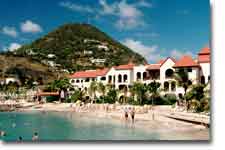 Why Two Names? Like all territory in the newly discovered world, many Europeans laid claim to newly discovered islands and constantly fought over them. The island, originally known as Souluaga (Island of Salt) by the indigenous natives, was no different. However, in 1648, the two factions then living on the island, French and Dutch peoples, decided to divide the 38 square mile island. As legend has it, two men walked from one point on the coast around this island until they met at the other coast.
The Frenchman was reputed to have walked faster and ended up claiming 22 square miles on the north side. The Dutchman, walking slower, claimed 16 square miles on the south side but, did get the larger, more valuable salt pond in Philipsburg (The Dutch capitol). As 1998 marked the 350th anniversary of this peaceful and prosperous division, the island continues to offer a unique opportunity to visit one island with two distinct flavors. We will refer toSt. Marttin/St.Maarten as "St. M" Or the "Island"
French Side
Flag of St. MartinThe French side is noted for its cuisine, Paris fashions, perfumes and liquorsthat can be purchased in the many duty free shops, St. Martin is quieter and has a more laid back atmosphere. When visiting the port area of Marigot, St. Martin's capitol, one would get the same feeling as being in the south of France. Restaurants and cafes serve the besat cafe au lait and the freshest croissants one could find in any savoir-faire atmosphere in the world. Although the hotels and resorts are all of the "Low rise" Variety, keeping with St. Martin/St. Maarten's slower pace theme, every possible vacation experience and hotel amenity is available on this side of the island. Actually, the Island's most exclusive resort is on the French side. Also available are small guesthouse type accommodations and even a naturalist resort. There is something here for everyone.
Dutch Side
Flag of St. MaartenThe Dutch side has always been noted for its great duty free shopping, larger resorts and hotels, casinos and more active nightlife. Hotels are still of the "Mid-rise" To "Low-rise" Variety but one can still find many small, intimate accommodations for any taste and budget. Since the Dutch side has the larger airport and seaport, most people arrive and depart on this side. However, no matter where one stay, one can freely travel from one side to the other and enjoy the areas one prefers. English is understood everywhere, signage is in English, and the U.S dollar is accepted everywhere (Most credit cards also). Car rentals from major and local companies are readily available at reasonable costs and driving is on the "Right side" Of the road. In summary St. M is probably the easiest for the U.S market to visit. It offers freedom to communicate, move about, explore, shop, dine and just about any possible accommodations one can desire.
The following I received from: Corey Boren,
 QUOTE
QUOTE 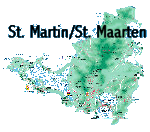 "It's been a while since I've been to St. Maarten, but I'll tell you about my experiences there. I heard through the grapevine that President Mason was thinking about sending a Dutch Elder to St Maarten to see if we could be of any help with the language. I asked the President and he agreed to let me go. I was very excited because I had heard a lot about the country from the few missionaries that had served there. They told me about how freindly the people were and how many different cultures were there. I was told that I was going to have a Spanish speaking compaion, so right away I new this was going to be an interesting adventure. I arrived in St. Maarten a few weeks later and was greeted by the couple that was there(Their names have temporarily left my memory,I appologize.) they were so nice. Elder Augustine tenderheart Jimenez jr. (My new companion ) was also there to greet me. We Started tracting that afternoon, and right away I knew that I was no longer in Suriname. I think I heard more Spanish that afternoon than I had heard my entire life. I was hoping that I would be able to use my Dutch more, but to no avail. I was able to speak to some of the less active members there, but they also understood English fairly well. Overall I felt that Dutch just wasn't a language that was used very much there, even though it was one of the three official languages of the island.
The branch there in St. Maarten is a warm one. They were very gratful to have the missionaries in their branch. I was a sunday school teacher for the 13-15 year olds while I was there. It was really fun to get to know the youth better. Little did I know that a few months later when I returned home I was called as a course 13 teacher. Also after I was married and moved into my new ward, I was called again as a course 13 teacher and am currently one. It's funny how your mission will prepare you for just about anything that life can throw at you.
Overall St. Maarten was a great experience for me. I learned how great the people there really were. And I made a lot of great friends while I was there. Elder Jimenez Really had a lot of success with the Spanish speaking people. He was able to teach many people and helped a lot with the less active members of the branch. He was a great Elder and one of the hardest workers and most dedicated missionaries that I ever saw in the Mission. He had knee problems before his mission and they worsened while he was in the West Indies. He needed to return to South Central LA and get them operated on,but they still gave him a lot of problems. I really don't think the President ever knew to what extent. Elder Jimenez just kept working no matter how bad they got. He knew what it was to sacrifice himself for the work. I learned a lot from Elder jimenez.
I am very thankful that I was given the chance to go to St. Maarten and although I didn't do a whole lot of good with the Dutch language there, I still learned a lot from the experience. "
Sponsored Links:
TOPIC: St. Martin & St. Maarten Mormons